
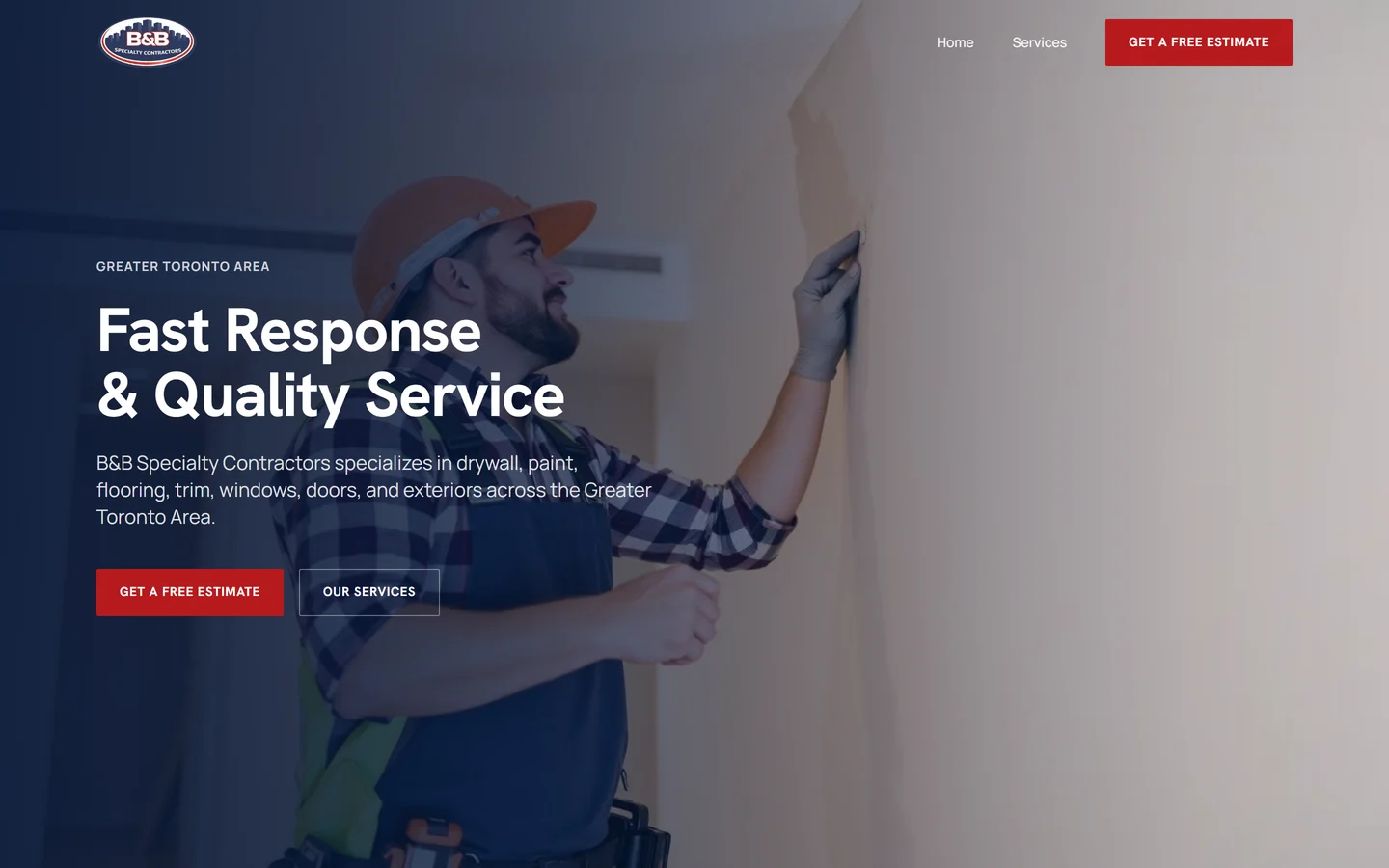
Trades · Specialty contractor, GTA
B&B Specialty Contractors
The owner reports 17 jobs generated by the website to date.
Custom websites for established businesses that need a clearer offer, stronger proof, and a direct path to inquiry. Strategy, design, development, search foundations, and launch stay connected.
Designed and built by the studio, and live for the businesses they were made for.
Trades · Specialty contractor, GTA
The owner reports 17 jobs generated by the website to date.
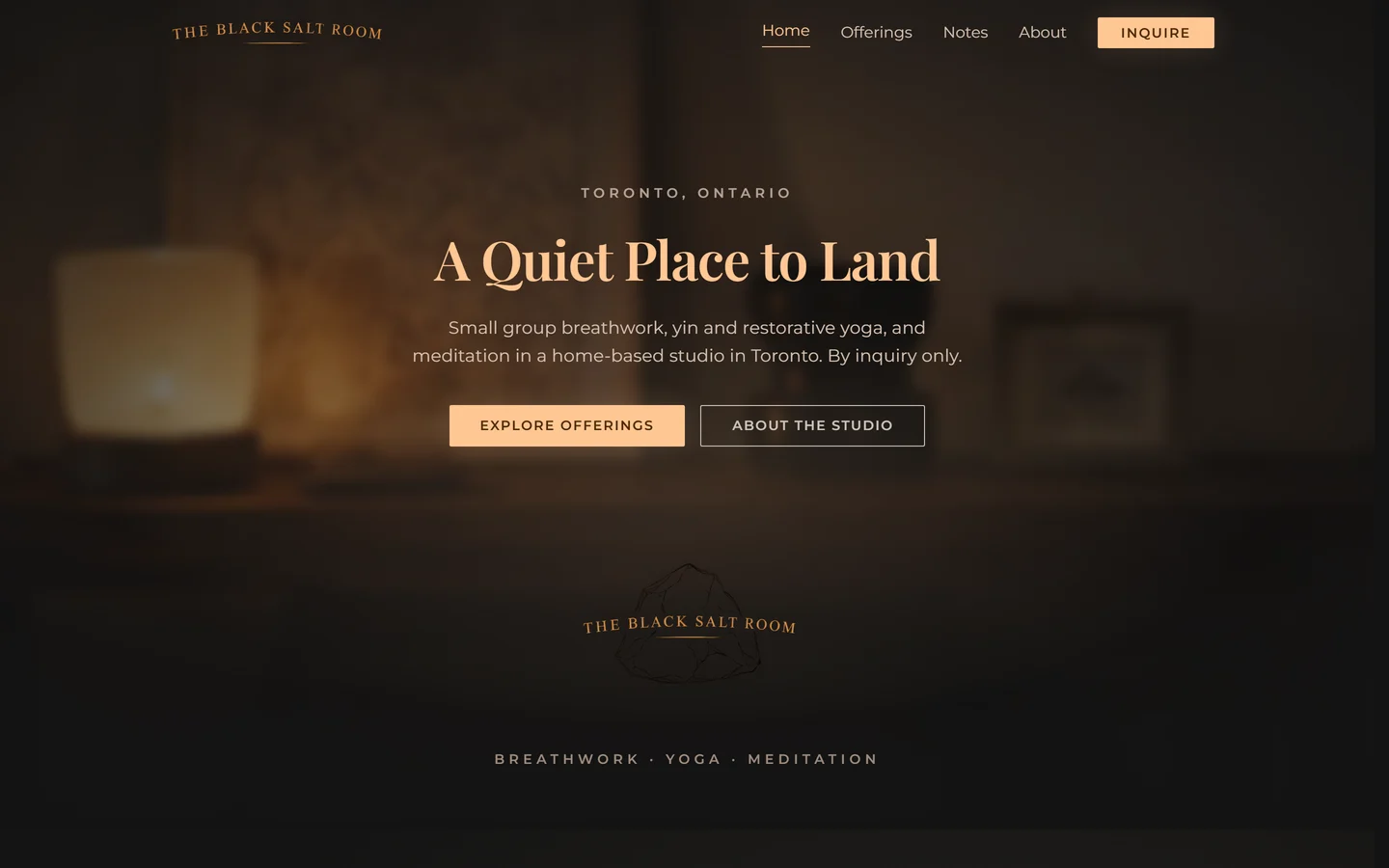
Wellness · Breathwork and yoga studio
A calm first website that scored Lighthouse 100 on mobile and desktop at its May 2026 launch.

B2B · Architectural lighting manufacturer
A 46 MB catalogue PDF rebuilt as a 13-page product and specification website.
Fully working concept sites where we push new directions in layout, interaction and buyer journeys, across the industries we work in.
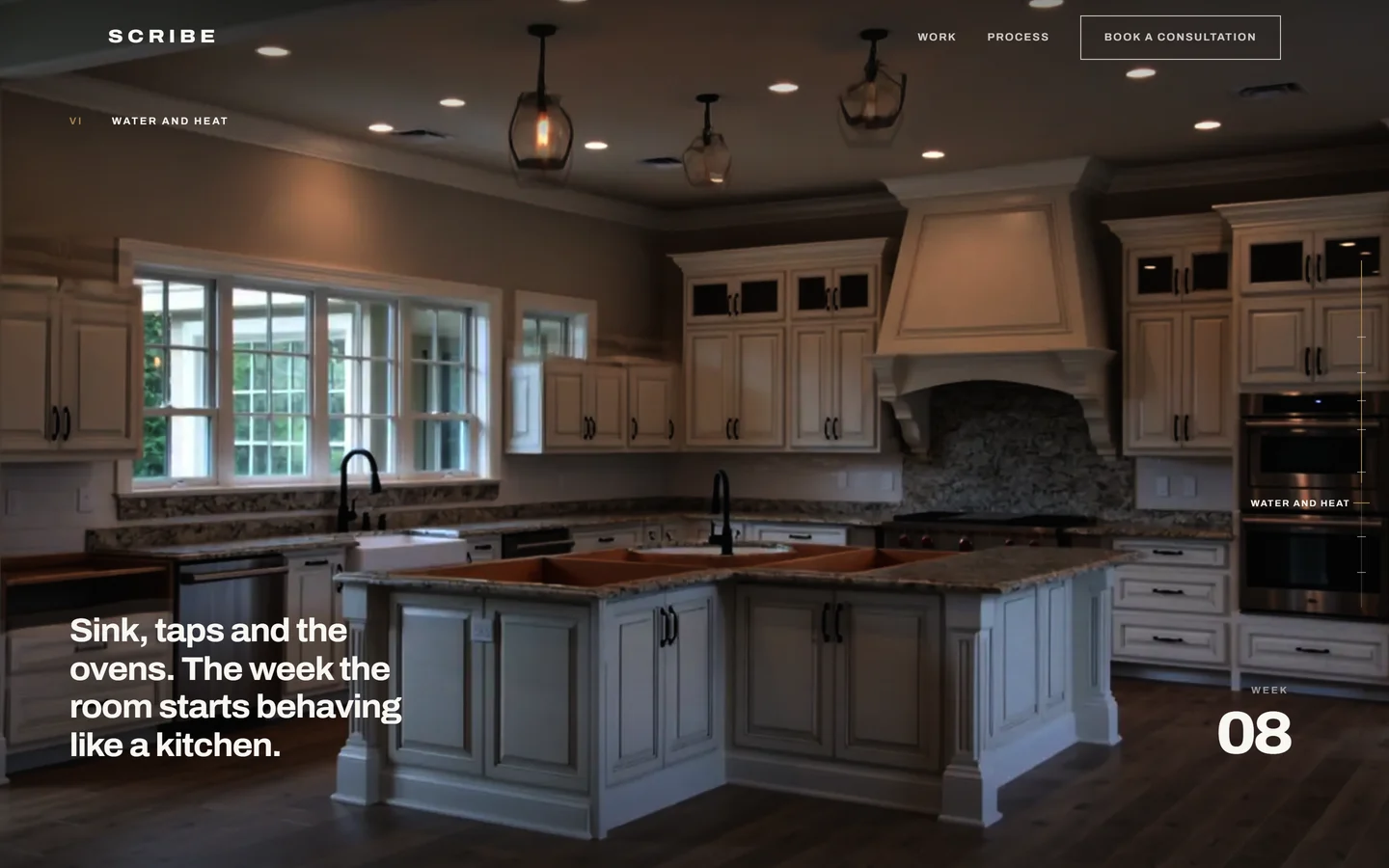
Working demo
Trades · Design-build remodeling
Rewind scroll film · Multi-page site
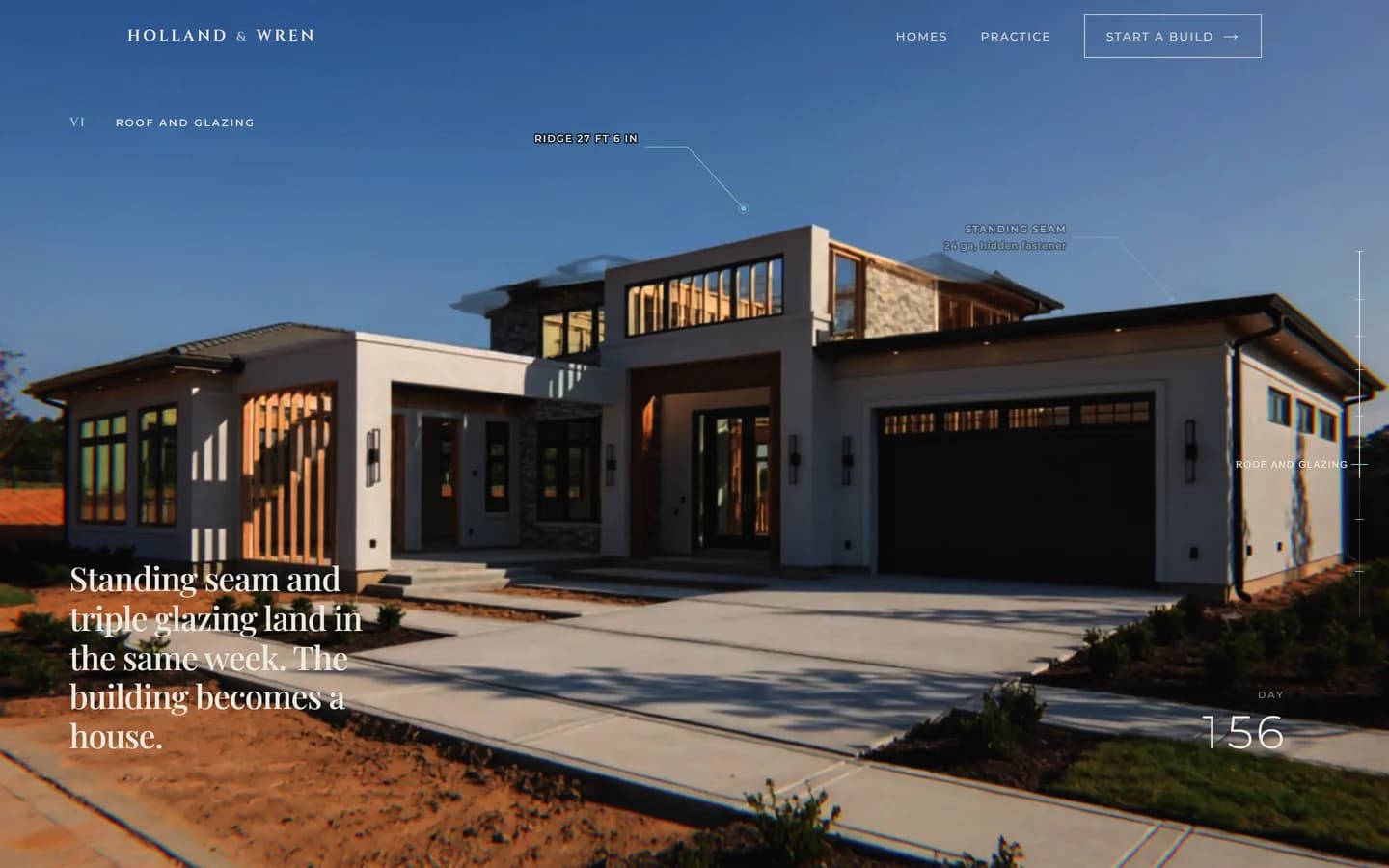
Working demo
Trades · Luxury custom home building
Three.js scroll film · Multi-page site
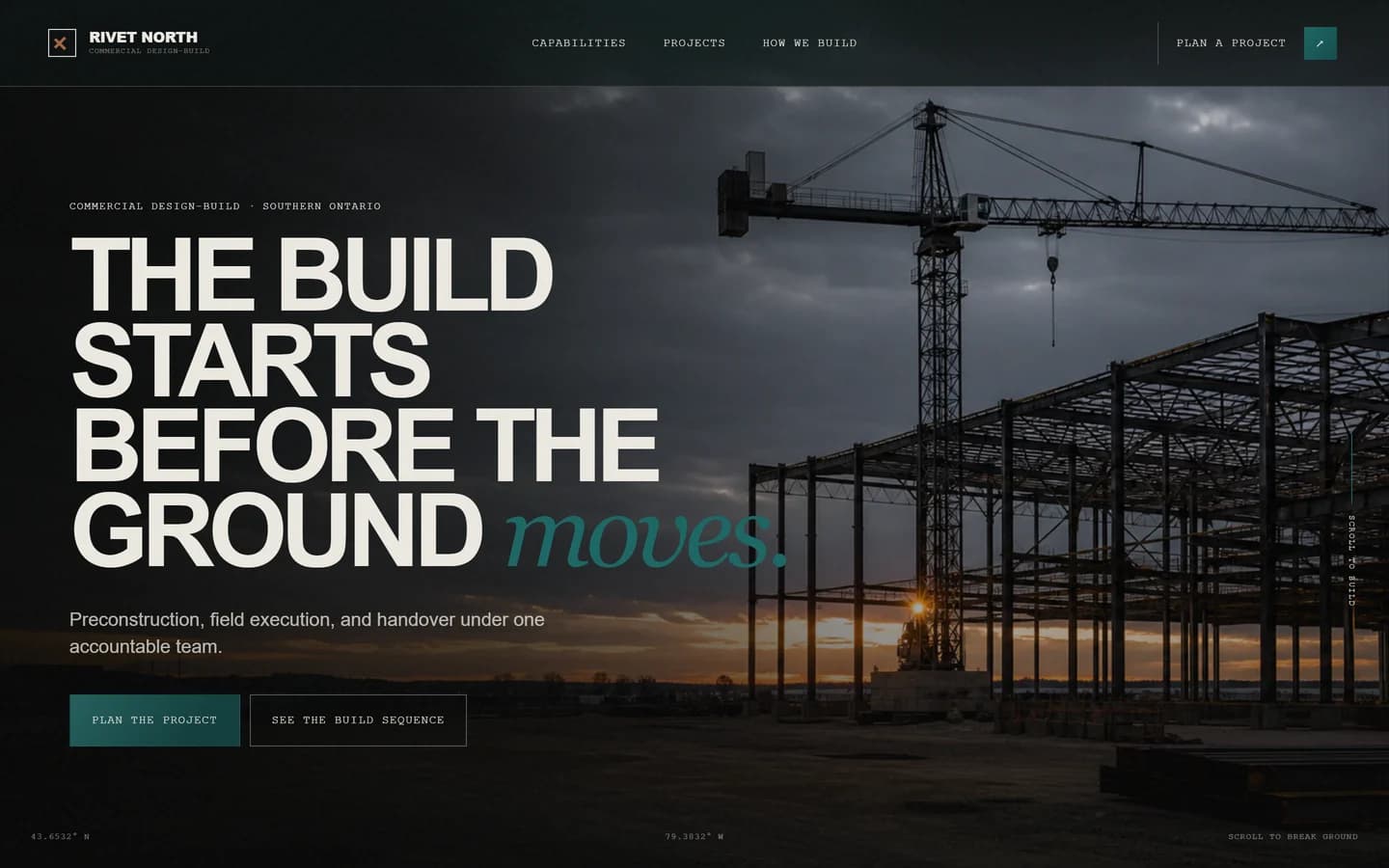
Working demo
Trades · Commercial design-build
Three.js story · Multi-page site
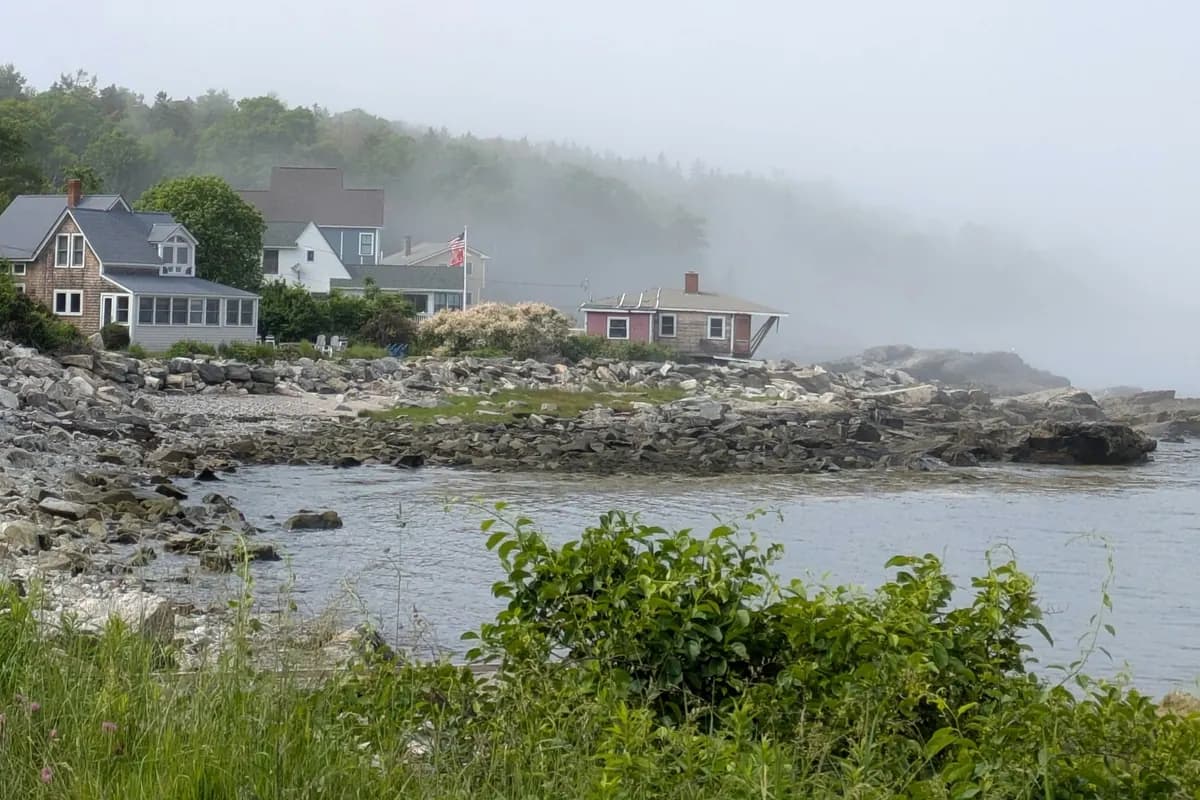
Working demo
Hospitality · Independent lodging
Direct booking · Live availability
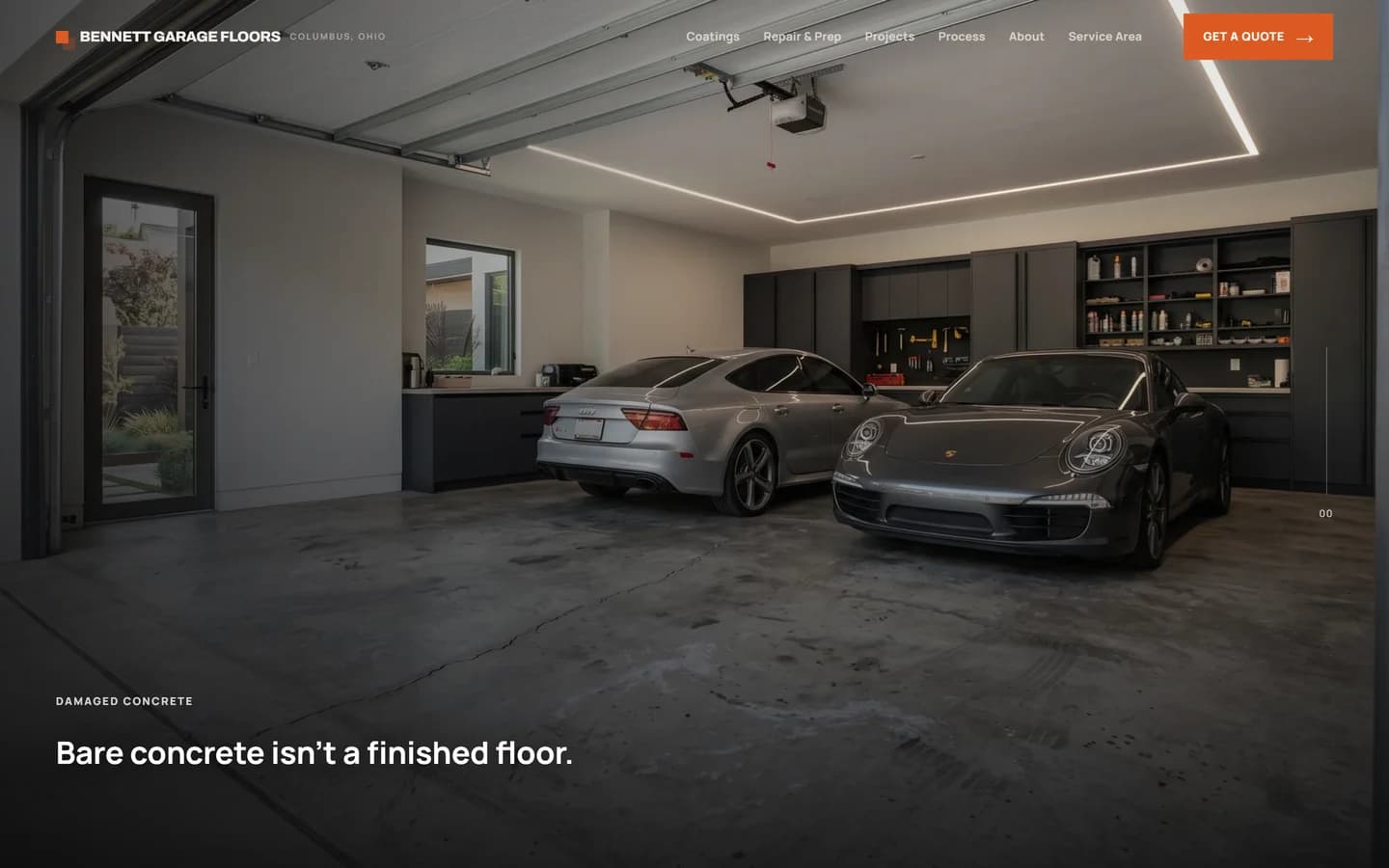
Working demo
Trades · Garage floor coatings
Multi-page site · WebGL reveal
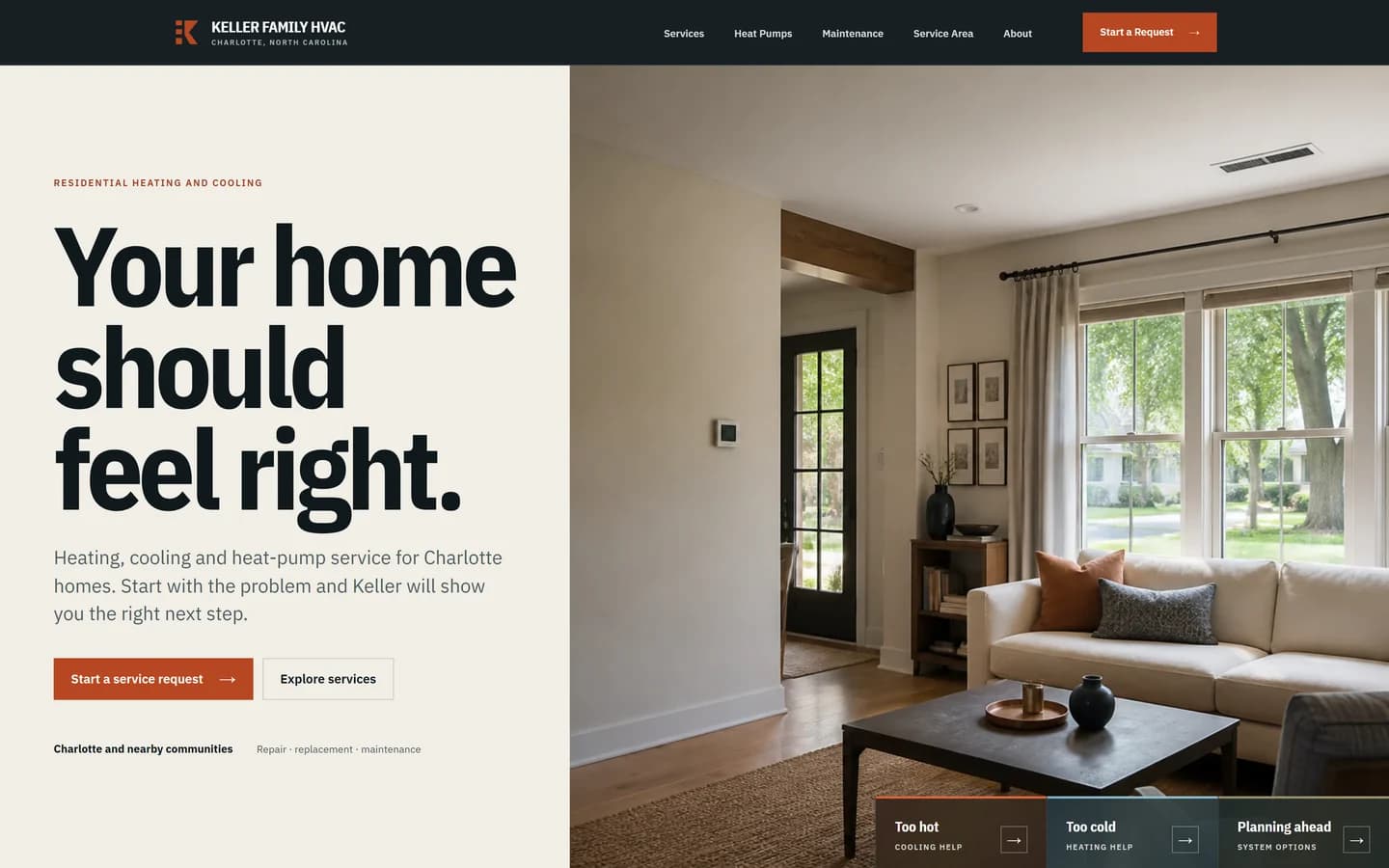
Working demo
Trades · Residential HVAC
Multi-page site · Service triage
Working demo
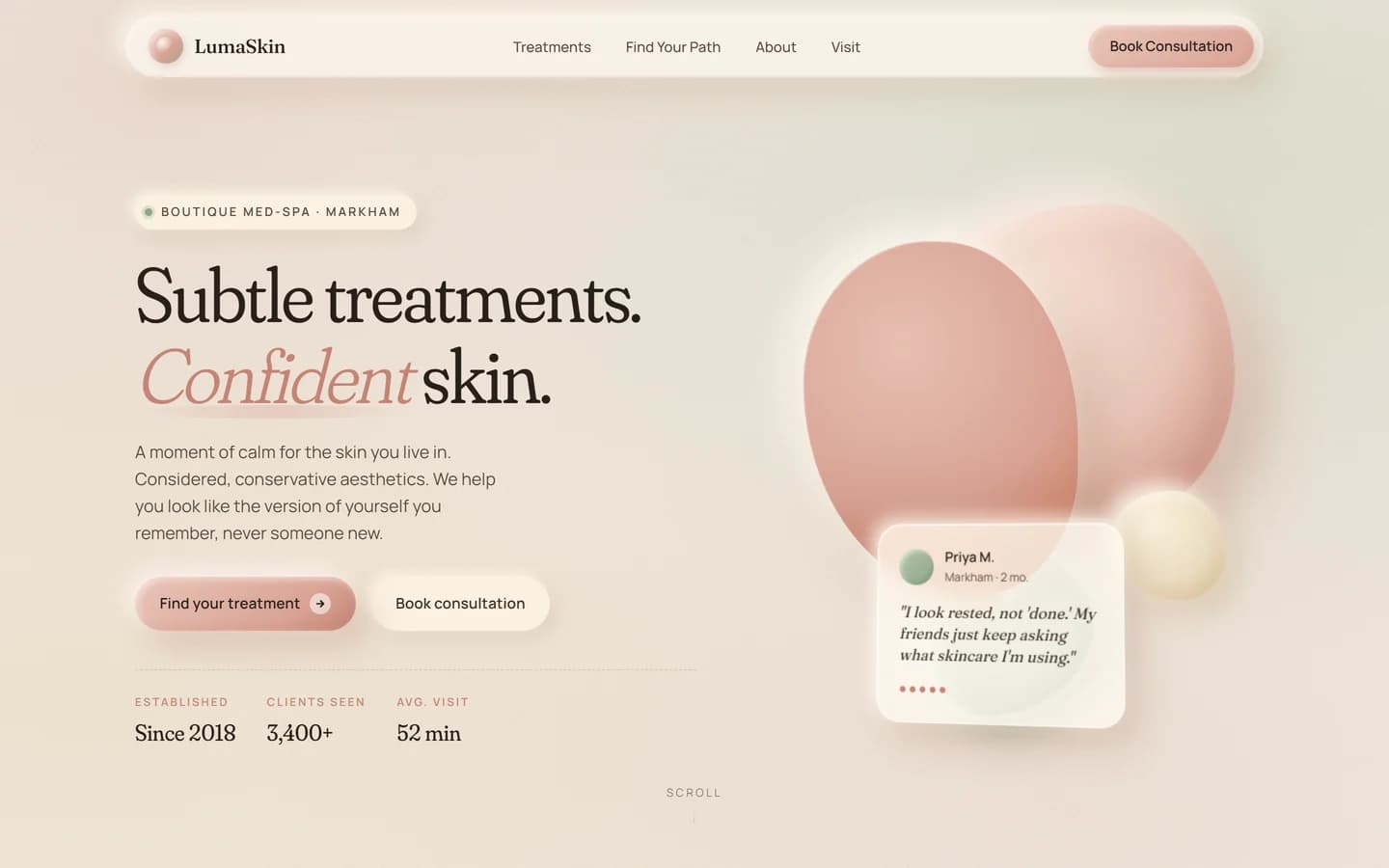
Wellness · Aesthetic clinic
Multi-page site · Treatment matcher
Working demo
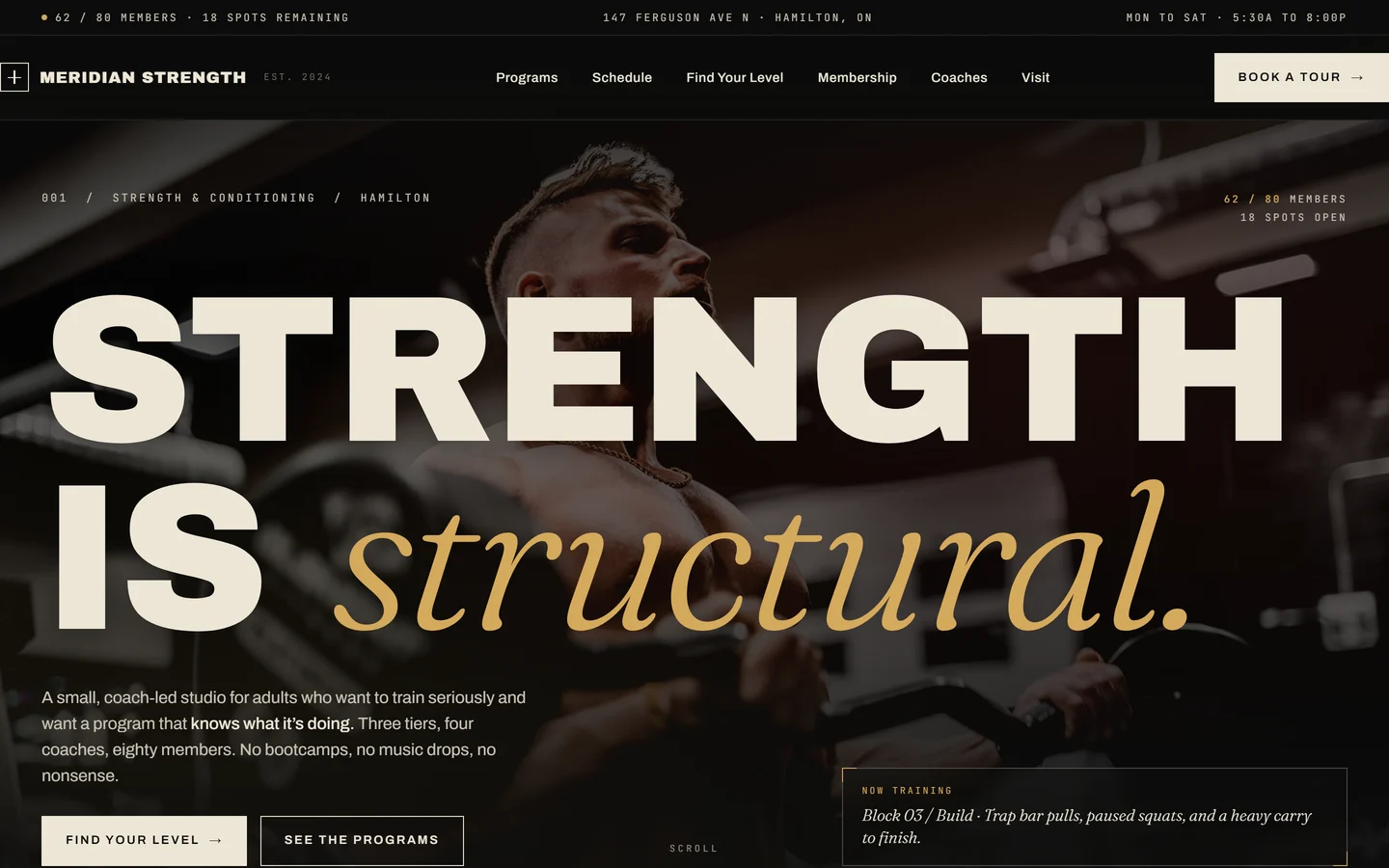
Fitness · Strength studio
Web design · Dark editorial
Positioning, page structure, visual direction, responsive design, development, search foundations, accessibility, and launch quality stay connected. The scope changes by project, but the decisions are made together so the finished site does not lose its logic between a strategy file, a design handoff, and the production build.
Define the offer, proof, page jobs, and primary action before visual design begins.
Set the typography, imagery, hierarchy, components, and responsive behaviour around the business.
Develop the approved system with the CMS, forms, booking, analytics, or integrations the scope needs.
Finish accessibility, performance, search, redirects, browser QA, deployment, and handoff.
For an existing site, review the website redesign engagement. To choose a platform before scope, use the CMS comparison tool. The Toronto web design studio page covers local fit and proof.
A contractor buyer needs services, service area, and an estimate path. A hotel guest needs the stay and booking route. A B2B buyer needs proof and a clear product story. The design system changes because the decision changes, not because an industry template received a new logo.
Services, local proof, project work, and a quote path built for the phone.
See contractor websitesProperty-specific website design, room and offer pages, and a considered path into the booking platform.
See hotel website workProduct story, technical proof, useful depth, and a qualified next step.
See B2B and SaaS workTimeline and budget depend on content readiness, design depth, platform change, integrations, migration risk, and who needs to edit the site. The first conversation identifies those constraints. The written scope then sets the actual schedule, deliverables, and fixed project price before work begins.
Focused redesigns often take four to eight weeks. Larger new builds commonly take eight to twelve. Content, approvals, integrations, and migration work can extend either.
Focused websites start at USD 1,500 before tax. A limited brand-led page subset is USD 1,500–USD 2,500; deeper custom work starts at USD 2,500 and full custom motion at USD 3,000. Canadian clients are quoted in CAD at 1.25 times these figures, so a USD 1,500 focused site is CAD 1,900. Content, integrations and migration implementation are scoped separately.
See pricing guidance →Cost, timing, scope, ownership, content, platforms, and search risk usually decide whether a website project is ready to move. These answers cover the practical parts of a custom design or redesign before the first call, including what changes when the current site already has rankings worth protecting.
Send the current site, the offer, and what the next version needs to change. Jardine will reply with the questions needed to scope the right new build or redesign.