
Hospitality web design, development & booking integrations
Jardine Studio builds websites and booking experiences for independent hotels, boutique hotels, lodges, inns, resorts and small hotel groups. The work covers what guests see and how their booking details reach the platform behind it.
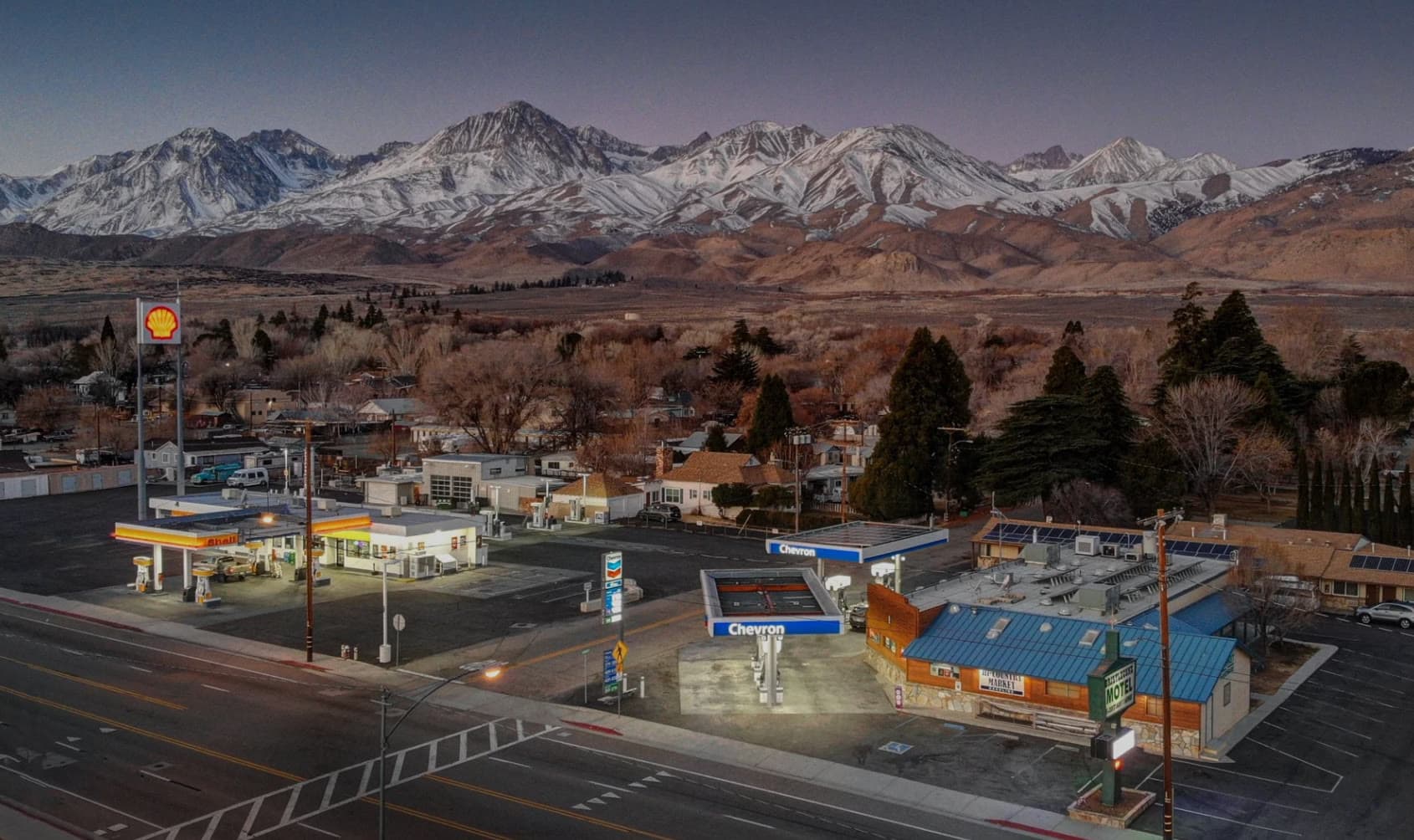
Palisades Lodge: a custom path into Mews
Palisades Lodge uses Mews for online booking. Jardine built a custom guest-facing interface around that flow, giving the lodge control over how guests choose their stay before continuing into Mews.
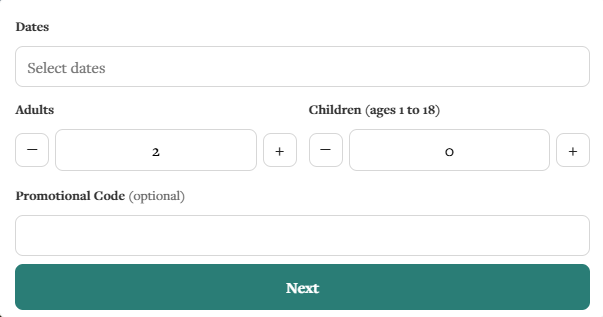
The interface collects stay dates, adults, children and an optional promotional code. It validates the dates and guest counts, then constructs a Mews booking URL with those details and any promotional code attached. Mews handles the reservation from there. Mews documents booking-link parameters for stay dates, adult and child counts, and voucher codes.
That boundary matters. The lodge can improve its website's booking controls while keeping its booking platform. The custom work sits between room browsing and the reservation flow.
Dates and guests carried forward
The handoff includes arrival and departure dates, separate adult and child counts, and an optional promotional code. The code is passed to Mews for the booking flow to handle.
The property's clock, including overnight stays
Date checks use the property's timezone. A specific overnight case offers a telephone path instead of sending the guest through the normal booking link, so that stay can be handled separately.
Keyboard and focus behavior
Guests can navigate the calendar with the keyboard, select dates and close it with Escape. Focus handling, accessible labels and control states are part of the implementation.
Mobile controls and validation
The calendar switches to one month on narrow screens, and guest controls grow for touch. Invalid date ranges and guest counts are checked before the Mews handoff.
The revised booking implementation has been live since September 22, 2026. No booking or performance results are claimed for this revision.
Website work shaped around the stay
The scope can cover a complete hotel website or a specific part of the guest journey. Design and development start with the property, the information guests need and the booking systems already in place.
Hotel website design and development
A website built around the property's identity, photography and accommodation. Navigation, page layouts and an editable content structure give guests a clear way to explore the stay.
Room, accommodation and offer pages
Room details, occupancy information, amenities, arrival policies and packages presented where guests need them. Offer pages connect to the appropriate booking path where the platform supports it.
Booking-platform integration and custom UX
Date selection, guest controls, promotional-code handling and the connection to the booking engine. The studio checks what the platform accepts before deciding how the website should pass those details.
Accessibility and mobile booking improvements
Keyboard behavior, focus states, labels, touch controls and responsive layouts. Work can target a difficult calendar, a confusing form or the route from a room page to booking.
Analytics and booking conversion tracking
Booking-button events, journey measurement and completed-reservation tracking where the platform and account access allow it. A click into the engine is recorded separately from a confirmed reservation.
Ongoing technical development
New pages, changing offers, integration updates, performance work and fixes after launch. A focused development scope can support a hotel team without replacing its website or PMS.
Fix the gaps between browsing and booking
A guest can understand the property and still struggle to book it. The useful work is often at the transition: carrying an offer into the engine, making a calendar usable or finding out where the reservation journey stops being measurable.
The website and booking engine feel disconnected
Review the path from each room or offer page, the destination of its booking action and which details survive the handoff. Make the next step clear before the guest leaves the site.
Booking is awkward on a phone or keyboard
Check date selection, guest controls, focus order, error messages and the booking action at narrow widths. Fix the interaction that blocks progress rather than assuming the whole site needs replacing.
An offer loses its context at booking
Match the website's promotion to the platform's supported voucher or booking parameters, then test the resulting path. Room and rate selection need their own checks if they are part of the offer.
The team sees clicks but cannot explain reservations
Map the events available on both sides of the handoff and document any gaps. Use confirmed reservation data where available, with a clear boundary around what the website alone can show. For journeys across separate domains, Google Analytics cross-domain measurement requires compatible tagging on both sites.
Work with the booking platform you already use
Mews is demonstrated hands-on experience through Palisades Lodge. For another booking platform, the studio starts by checking its integration options, account access and the guest journey before agreeing the work.
Using SiteMinder, Little Hotelier or Cloudbeds? Bring the current setup into the conversation. These are platforms to assess for a new scope, not implementations Jardine is presenting as past work. No certification or official partnership is claimed.
The engagement focuses on the website and its booking connection. A PMS migration or wider hotel-operations implementation needs a separate scope and the right platform support.
Start with the part that needs work
A redesign is one option. A better room page, a repaired booking handoff or an ongoing development arrangement may be the more useful scope. The studio reviews the current site and platform before recommending the size of the project.
Review the guest journey
Walk through room browsing, offers and booking on the current site. Identify the platform constraints and the problems guests or staff are encountering.
Agree the deliverables
Define the pages, interactions, integrations and measurement work. Confirm what stays, what changes and which platform access is needed.
Build, test and hand over
Check mobile and keyboard behavior, validation and booking destinations. Review the work together before release, with an agreed path for ongoing updates.
Before a hospitality website project
The scope depends on what already works. Bring the current website, booking platform and the specific problem to the first conversation.
Can you improve our booking experience without rebuilding the website?
Do we need to replace our booking platform?
Can you track completed bookings?
Need help with your hotel website or booking experience?
Send the current website, the booking platform you use and the part of the guest journey that needs work. We can discuss a focused improvement or a wider website project.